
NEWS
The Gambia Pilot Program (GPP) concludes with strong results for youth employment,
rural infrastructure and value chain development
The Gambia Pilot Program (GPP), implemented within the framework of the German Financial Cooperation with ECOWAS through KfW, has successfully concluded. Implemented from 10/2019 – 03/2026, the project delivered broad-based support to rural communities, private enterprises and vocational training institutions across The Gambia.
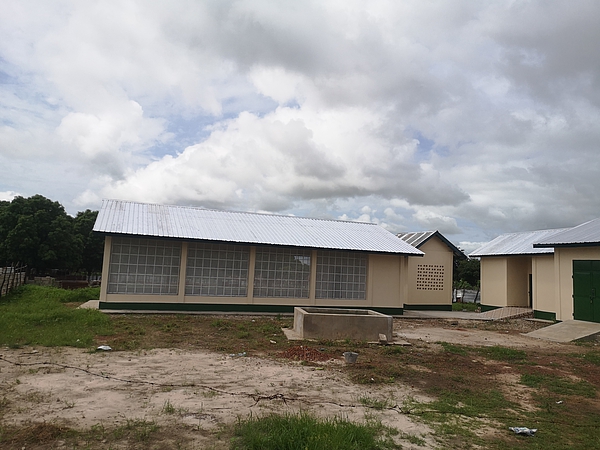
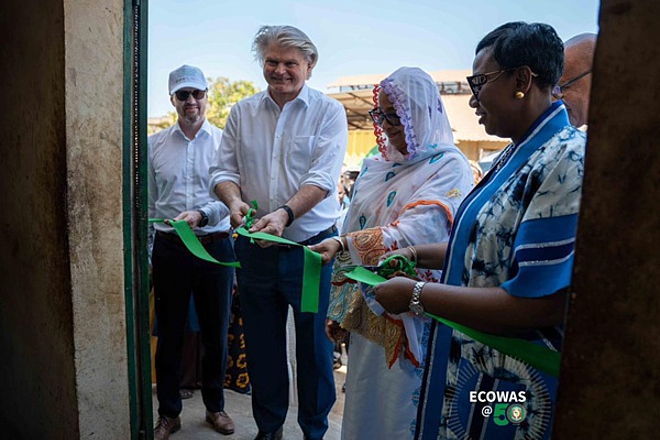
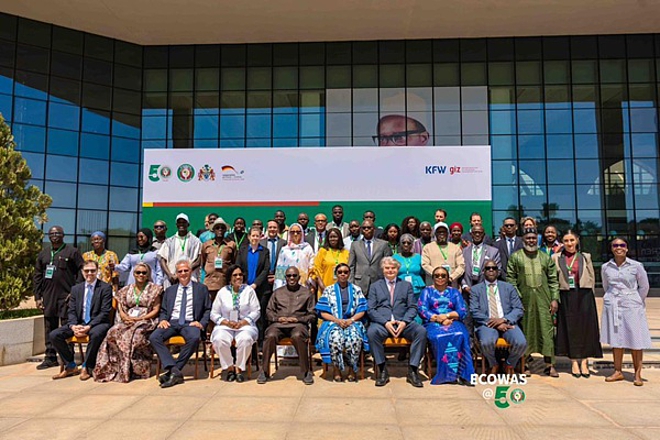
The GPP concluded in March 2026 with an official ECOWAS ceremony and mission to hand over key investments to the Government of The Gambia, beneficiary institutions and local communities during the GPP closure mission. ECOWAS, represented by Vice President H.E. Mrs. Damtien L. Tchintchibidja, accompanied by representatives from BMZ handed over key project sites such as the fish smoking facilities in Brufut, the Agro-Processing Centre at GTHI Kanifing, and the student dormitories and training facilities at the USET annexes in Mansa Konko and Julangel.
Financed by the German Government through BMZ with a grant of EUR 13 million, the GPP aimed to contribute to stability and sustainable development in The Gambia by creating new employment and income opportunities, particularly for youth. The GPP focused on three value chains with high development potential: horticulture, poultry and fisheries.
Implemented by the Gambian Agency for the Management of Public Works (GAMWORKS) as Project Executing Agency and supported by PEM Consult as Implementation Consultant, the GPP combined infrastructure investments, equipment provision, vocational training and capacity-building measures in the Greater Banjul Area, Lower River Region and Upper River Region.
A central achievement of the GPP was the creation of substantial employment and income opportunities. A total of 6,042 permanent and year-round jobs were created, surpassing the original target of 5,000 jobs. Youth accounted for over 80% of these jobs, while 35% were created in value-addition stages such as storage, processing and marketing. Beneficiaries also reported an average monthly income increase of almost 60%, exceeding the GPP target of 50%.
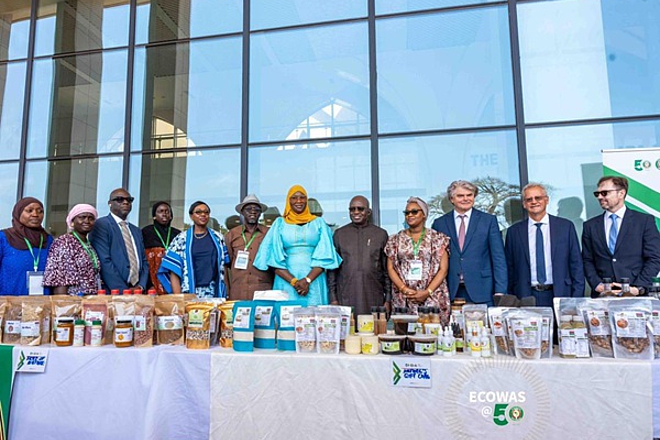
Overall, the GPP financed rural infrastructure and equipment along the selected value chains in a total of 42 community-based organisations and 35 private sector enterprises. The received support included poultry houses, fishponds, farm houses, water towers, solar-powered boreholes, irrigation infrastructure and fencing as well as agricultural inputs. Private enterprises benefitted from a matching grant scheme that supported production level infrastructure, storage, processing and transport capacities, including items such as refrigerated trucks, feed milling machines, food dryers, packaging machines and processing equipment.
The fisheries sector was strengthened through the construction of three fish smoking houses in Barra, Brufut and Old Jeshwang. These facilities are designed to improve fish processing, hygiene and value addition, while supporting local fishing communities and fish smoker associations.
The GPP also invested in vocational training infrastructure by providing student dormitories and additional training facilities at the University of Applied Science, Engineering and Technology (USET) annexes in Mansa Konko and Julangel, helping to improve access to technical education in rural areas. At the Gambia Tourism and Hospitality Institute (GTHI) in Kanifing, the GPP financed an Agro-Processing Centre with workshops, laboratory equipment and a solar power system. The centre will support training in food processing, quality control and marketing, thereby strengthening links between agriculture, value addition and the tourism sector.
Infrastructure measures were accompanied by extensive capacity-building. Beneficiaries received training in entrepreneurship, sustainable horticulture, poultry management, aquaculture, fish smoking, facility management, and operation and maintenance of infrastructure. In total, over 500 individuals benefitted from training measures.
With its combined focus on infrastructure, skills and value chain development, the Gambia Pilot Program has delivered tangible contributions to employment creation, income generation and rural economic development. The investments now provide a foundation for continued local ownership, productive use and sustainable impact across the horticulture, poultry and fisheries sectors.