
NEWS
PEM Consult has launched the Inception Phase with a start-up mission for the KfW-financed programme “Support for short-term, labour market-oriented Vocational Education in Uzbekistan (Phase I).”
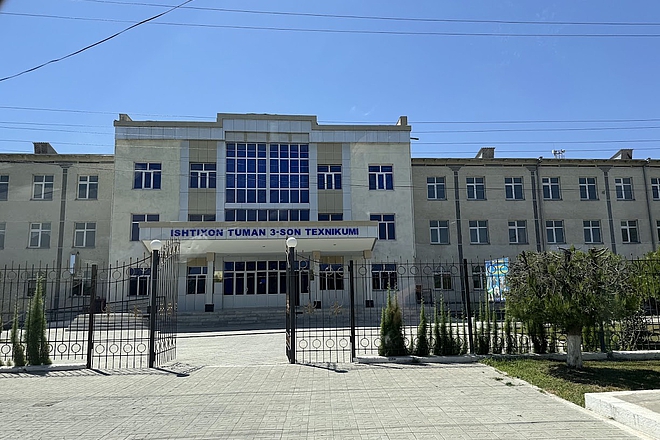
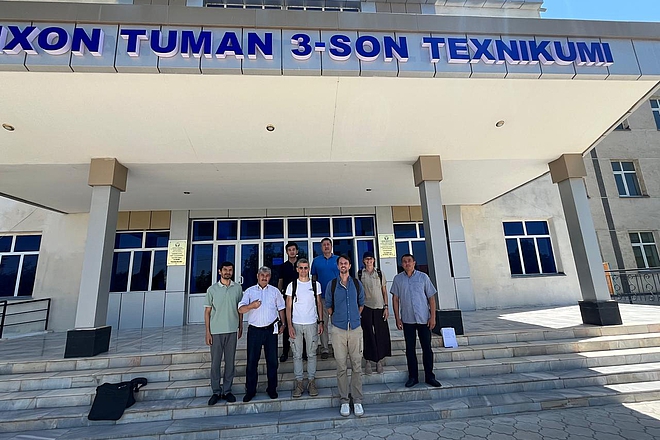
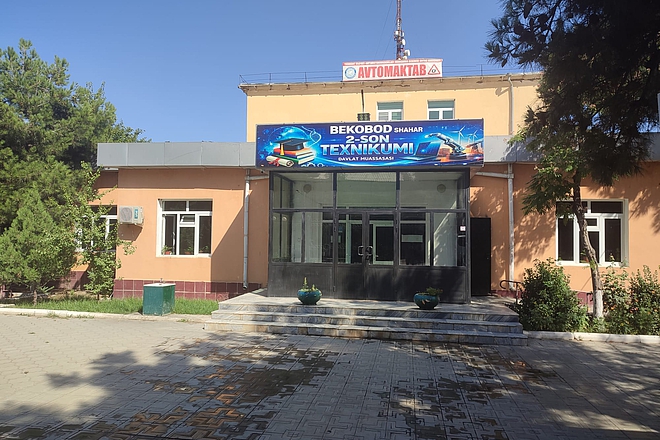
PEM Consult has launched the Inception Phase with a start-up mission for the KfW-financed programme “Support for short-term, labour market-oriented Vocational Education in Uzbekistan (Phase I).” In an intensive tour across five regions, the team of 10 consultants and architects visited and assessed six pre-selected vocational institutions - tekhnikums - from the automotive heartland of Asaka to the cotton-and-textile country around Bukhara.
In support to Uzbekistan’s newly created Agency for Vocational Education (VEA) under the Ministry of Higher Education, Science and Innovation, the programme has a pragmatic ambition: to help jobseekers - and especially women and young people - to gain qualifications that lead quickly to real work and income. It is aligned with Uzbekistan’s own reform process, from the Development Strategy of New Uzbekistan to the national qualifications reforms, and with the UN Sustainable Development Goals on poverty, education and decent work (SDGs 1, 4 and 8).
The team’s fieldwork aimed to advance the preparatory tasks of the Investment Measure / Component 1 and for the Accompanying Measure / Component 2, in order to gain first insights and findings to update baseline data from the Feasibility Study and to come up with recommendations for programme implementation, esp. the investment in building refurbishment and workshop equipment, in accordance with the identified short-term training formats required by the local industry.
During the site visits, the team paired field research and labour-demand mapping with personal meetings and interviews on the ground: with tekhnikum directors, with deputy khakims (mayors) responsible for the economy, employment and women’s affairs, and with a rapid scan of each local labour market. Some exemplar insights into the situation on-site:
Asaka (Andijan Region). Uzbekistan’s automotive flagship, built around UzAuto Motors and a dense web of component suppliers, with fresh investment arriving in new press, welding and electronics facilities. Welding, metalworking and industrial-electrical skills are in clear demand - and the local tekhnikum already runs courses that feed straight into them.
Bekabad (Tashkent Region). An industrial gateway to Central Asia, home to the Uzmetkombinat steel works, Bekabadcement, the Farhad hydropower station and a Special Economic Zone with a high declared investment potential. The institution brings a strong track record in electrician, welding and crane-operator training.
Ishtikhon (Samarkand Region). In the centre of an agro-industrial district on the rise, now tasked with lifting exports. The opportunity lies in versatile technical-service and digital skills - from auto-electrics and IT to food and agro-processing - backed by a strong reported record of graduates finding work.
Kyzyltepa (Navoi Region). A large, lively college next door to one of Uzbekistan’s biggest industrial centres with real appetite for automotive and electronic vehicle diagnostics, metalwork and modern electrical trades.
What stood out in most cases was promising: The overall reform momentum of the Uzbek education policy is impressive and real, as national decrees and regional investment plans are pulling in the same direction as the programme. Furthermore, employers are already at the table and motivated to offer cooperation with the tekhnikums, e.g., by student internships, hiring graduates and helping with the course design to shape what is needed in practice. Tekhnikum directors and local officials have shown awareness and suggestions of raising women participation in training, e.g. nearby offers, flexible hours, childcare and stipend opportunities.
Findings already form a solid basis for the project’s investment decision-making and the sub-sequent design process of all supporting measures.